If you are considering dentures in Bradenton, FL, understanding the recovery and aftercare process is one of the smartest steps you can take before treatment. New dentures, particularly immediate dentures placed right after extractions, require an adjustment period that most patients navigate successfully with the right guidance. At BayView Dental Associates, we walk every patient …
If you are considering dentures in Bradenton, FL, understanding the recovery and aftercare process is one of the smartest steps you can take before treatment. New dentures, particularly immediate dentures placed right after extractions, require an adjustment period that most patients navigate successfully with the right guidance. At BayView Dental Associates, we walk every patient through what to expect from the first day through the weeks ahead. This guide covers the full healing process, practical aftercare tips, and when to reach out to our team. Have questions about recovery? Contact Bayview Dental at (941) 239-6757 to discuss your specific situation.
Dentures Recovery Timeline: What to Expect
Recovery from dentures varies from person to person, but understanding the general phases helps you feel prepared and confident at each stage. The timeline below reflects what most patients experience; individual healing factors, the number of extractions involved, and whether you received an immediate denture all influence your specific journey.
Immediately After Your Procedure
If you received an immediate denture, it is placed directly into your mouth following extractions. This means you leave the office with dentures already in place. Your dentist will ask you to keep the denture in for the first 24 hours to help control swelling and protect the extraction site. Removing the denture too soon during this window can disrupt the initial healing. Plan to have someone drive you home, especially if sedation was used during your oral surgery appointment.
The First 48 Hours
During the first 48 hours, some swelling, mild soreness, and increased saliva are completely normal. You may notice additional saliva production as your mouth adjusts to the new dentures, which typically settles within a few days. Minor bleeding around the extraction site is expected; however, if you notice very dark blood or blood inside the mouth that does not slow, contact your dentist immediately. Stick to soft foods and drink plenty of fluids to maintain good nutrition and support healing. Avoid hot beverages and sticky foods during this early phase.
First Week With New Dentures
The first week is the most active part of the healing process. Sore spots along the lower gums or upper gum tissue are common as your mouth adjusts to the shape of the denture. A lower denture and upper denture may both require minor adjustments during this period, which is expected and not a cause for concern. Follow all post-operative instructions provided by your dentist carefully. Rinse your mouth gently with warm salt water to soothe tender areas and keep the surgical area clean. Eat slowly, choosing well-cooked fruits, green beans, and other soft foods that require minimal chewing pressure. Most patients also notice that wearing dentures feels unfamiliar at first; this adjustment period is a normal part of the process.
Weeks Two Through Four
By the second and third weeks, most patients gradually begin to feel more comfortable with their new dentures. Sore spots may continue to appear as gums heal and reshape, but these typically resolve with minor adjustments from your dentist. You can gradually begin introducing a wider variety of nutritious foods as comfort allows. Practice chewing slowly on both sides of the mouth and chew straight down rather than using a rocking motion to help correctly seat the denture. Your ability to chew and speak will improve steadily throughout this phase of the healing process.
Long-Term Adjustment and Fit
Over the months following placement, your gums shrink and reshape as the bone underneath continues to remodel. This is especially true after extractions. As gums continue to change, your immediate denture may begin to feel loose. This is normal, and it does not mean something went wrong. Your dentist will assess whether only a reline is needed to restore proper fit. Maintaining regular follow-up visits helps your provider monitor changes and keep your dentures fitting well as your mouth’s unique shape evolves.
Aftercare Tips for a Smooth Denture Wearer Experience
Caring for Your Dentures Daily
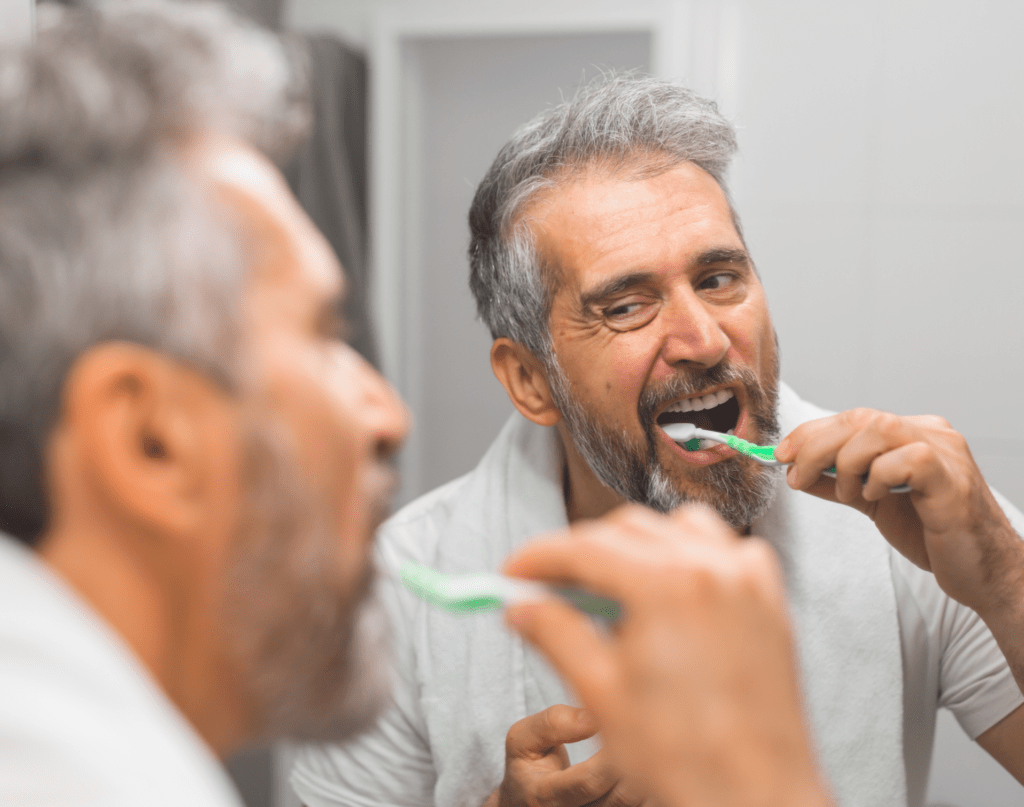
Brush dentures daily using a soft denture brush and a non-abrasive denture cleanser, never regular toothpaste, which can scratch the surface. Gently scrub all surfaces of the denture inside and out to remove food particles and plaque. Soak dentures overnight in a denture cleanser solution or warm water to maintain their shape. A mild soap can also be used when a denture cleanser is not available. Handle your dentures over a folded towel or a sink filled with warm water to avoid damage if dropped.
Caring for Your Mouth and Remaining Natural Teeth
Your oral health does not stop at the denture itself. Use a soft toothbrush to clean your gums, tongue, and the roof of your mouth each day, which removes bacteria and supports gum tissue health. If you have remaining natural teeth, continue gently brushing them as directed by your dentist. Keeping your mouth clean helps maintain optimal health and reduces the risk of oral cancer, gum disease, and infection. Rinse your mouth with warm water after eating to remove loose food particles from the gum area.
Eating and Nutrition During Recovery
Maintain good nutrition during the healing process by choosing soft foods that are easy to manage. Drinking fluids and staying hydrated supports healing and helps with dry mouth, which some denture wearers experience. As the adjustment period progresses, you can gradually begin reintroducing chewy foods and harder textures, but chew slowly and use both sides of the mouth evenly. Avoid hard foods and very sticky foods until your dentist gives you the go-ahead.
Follow-Up Appointments
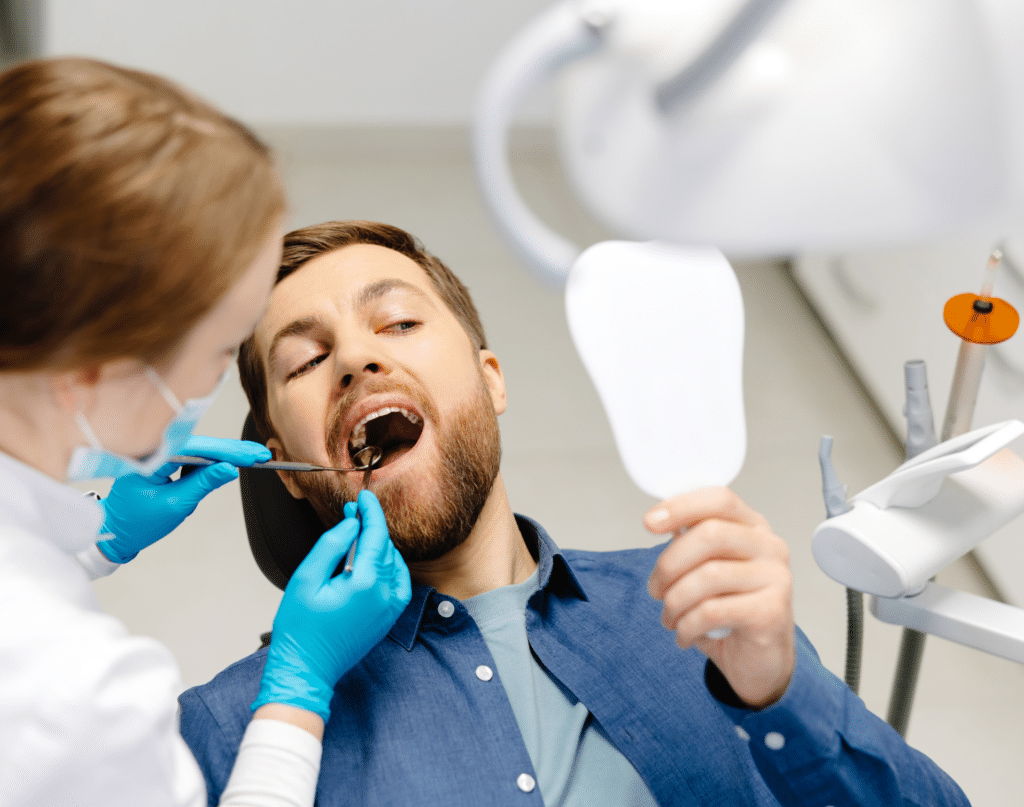
Post-operative follow-up appointments are an important part of denture recovery and aftercare. Your dentist will check for sore spots, evaluate fit, and make adjustments as your gums heal. These visits also allow your provider to monitor the extraction site and overall healing progress. Do not skip scheduled appointments, even if you feel comfortable, as changes in fit can be subtle and are easier to address early.
Our team provides detailed aftercare instructions tailored to your specific treatment plan. Schedule a consultation to learn more or call (941) 239-6757.
What Is Normal During Denture Recovery (and When to Contact Us)
Normal Recovery Experiences
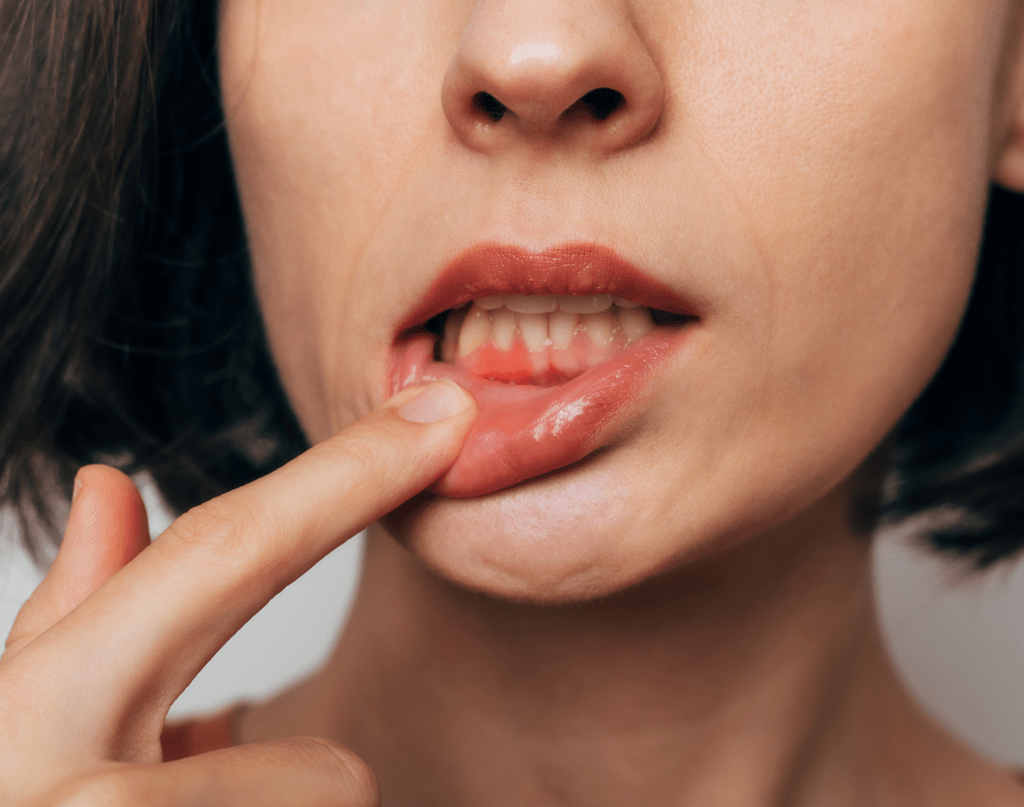
During recovery, it is completely normal to experience some or all of the following: soreness or sore spots under the denture, increased saliva production in the first few days, minor difficulty speaking or eating as you adjust, mild swelling near the extraction site during the first week, and a feeling that the lower denture or upper denture does not seat perfectly right away. Some patients also notice that new dentures feel like small foreign objects at first, and this sensation fades as you adapt. Individual recovery timelines vary widely based on healing rate and the extent of the procedure.
When to Contact Our Office
While most denture recovery experiences are manageable, reach out to your dentist immediately if you notice: excessive bleeding that does not slow with gentle pressure, very dark blood or dark blood inside the mouth beyond the first 24 hours, signs of infection such as increasing pain, warmth, or discharge near the surgical area, a fever, difficulty breathing or swallowing, or any symptom that feels unusual or is worsening rather than improving. Our team is here to support you, and you should never hesitate to call if something does not feel right.
How Your Provider Impacts Your Dentures Recovery
The experience and skill of your dental provider directly influence how smoothly your denture recovery unfolds. Careful technique during extractions and precise denture fitting reduce tissue trauma and support more comfortable initial healing. At BayView Dental Associates, our team across all locations brings focused training and hands-on experience to every denture case.
Dr. Kenneth Liszewski, DMD, founder of BayView Dental Associates and a Diplomate of the International Dental Implant Association, built this practice from the ground up in Sarasota in 1987. His more than 35 years of experience in restorative and implant dentistry informs the standard of care across every Bayview location. Whether you are seen at our Sarasota Airport location or our Bradenton Manatee office, you benefit from a local, community-minded practice, not a corporate chain.
Ready to Take the Next Step?
Understanding dentures recovery and aftercare is an important part of making an informed decision. Call BayView Dental Associates at (941) 239-6757 or contact us online to schedule a consultation. Our team will walk you through what to expect, answer your questions, and create a recovery plan built around your specific needs.
Frequently Asked Questions About Dentures Recovery and Aftercare
How long does denture recovery take?
Most patients move through the initial healing process within four to six weeks, though the full adjustment period for new dentures can extend several months as gums continue to remodel. Immediate denture wearers typically experience the most active healing during the first two weeks. Individual recovery timelines vary based on the number of extractions and overall health.
What should I eat during the first week with new dentures?
During the first week, soft foods are strongly recommended, such as well-cooked fruits, green beans, mashed vegetables, and other items that require minimal chewing pressure. Eat slowly and avoid sticky foods, hard foods, and chewy foods until your gums heal further. Drinking fluids throughout the day also helps maintain good nutrition and comfort during recovery.
Is it normal to have sore spots with new dentures?
Yes, sore spots are a completely normal part of wearing dentures, especially in the first weeks. As gums heal and reshape, areas of pressure can develop under the lower denture or upper denture. Your dentist can make minor adjustments at follow-up visits to relieve these spots. Do not attempt to adjust the denture yourself; contact your dentist if soreness is interfering with eating or daily comfort.
How do I clean my dentures properly?
Use a soft denture brush and a non-abrasive denture cleanser to gently scrub all surfaces daily, including the denture inside. Soak dentures overnight in a denture cleanser solution or warm water. Avoid regular toothpaste, which can scratch the surface and harbor bacteria. Also, brush your gums, tongue, and remaining natural teeth with a soft toothbrush each day to maintain optimal oral health.
When can I return to a normal diet after getting dentures?
Most patients gradually begin reintroducing a wider variety of foods after the first two to three weeks, as sore spots resolve and comfort improves. The eating process becomes more natural as you practice chewing slowly and evenly on both sides. Your dentist will advise you on when it is appropriate to introduce harder or chewier textures based on your individual healing progress.
Why does my immediate denture feel loose after a few weeks?
As gums shrink and bone remodels following extractions, an immediate denture will naturally lose some of its initial fit. This is a normal part of the healing process, not a sign that something went wrong. In many cases, only a reline is needed to restore a snug, comfortable fit. Regular follow-up visits allow your dentist to monitor changes and address fit issues before they become uncomfortable.
Can I sleep with my dentures in?
During the first 24 to 48 hours after receiving an immediate denture, your dentist may advise keeping the denture in to protect the extraction site and manage swelling. After that initial period, most dentists recommend removing dentures at night to allow gum tissue to rest. Your provider will give you specific postoperative instructions tailored to your situation.
How do I handle dry mouth as a denture wearer?
Dry mouth is a concern some denture wearers experience, and it can affect how well dentures stay in place. Drink plenty of water throughout the day and speak with your dentist if dry mouth is persistent. Staying hydrated supports both comfort and oral health, and your provider can recommend additional strategies to help manage this during your adjustment period.
Should I use a denture adhesive?
A denture adhesive can help improve stability and comfort during the adjustment period, particularly with a lower denture. However, relying on denture adhesive long-term to compensate for a poor fit is not a substitute for a proper reline or refitting. If you find yourself needing increasing amounts of adhesive, schedule a visit with your dentist to evaluate whether an adjustment is needed to maintain optimal health and comfort.
When should I contact my dentist immediately during recovery?
Contact your dentist immediately if you experience excessive bleeding, very dark blood inside the mouth beyond the first day, significant worsening pain, signs of infection near the surgical area, or a fever. While most denture recovery experiences are straightforward, our team is always available to address concerns — do not hesitate to call (941) 239-6757 if something does not feel right.
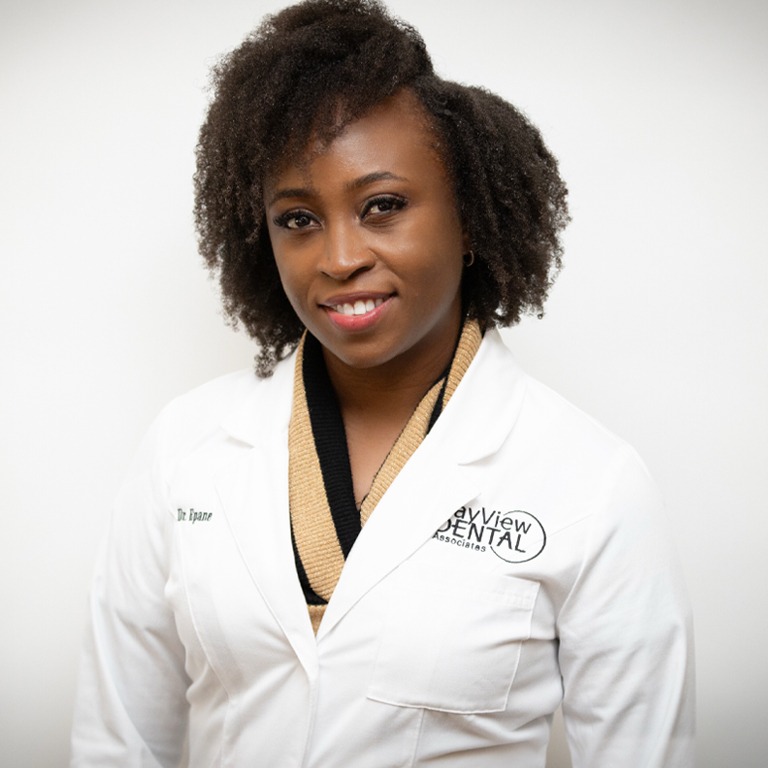
Dr. Elodie Epane, DDS
Dr. Elodie Epane was born and raised in Douala, Cameroon, and moved to the United States at eighteen, going on to earn a B.S. in Chemistry with a minor in Biology from the University of Houston, her Doctorate of Dental Surgery from Meharry Medical College, and completing her residency training at NYU Lutheran at LECOM before settling in the Sarasota-Bradenton area to serve her community. Her passion for dentistry was shaped by her childhood experiences growing up in a country with virtually no dental healthcare system, instilling in her a deep belief that a smile is the beginning of a journey with lasting effects. She approaches every patient as an individual with unique goals, challenges, and experiences, and her philosophy is rooted in teamwork — educating and empowering patients to take control of their own care while working within their needs and budget. Exceptionally caring and detail-oriented, Dr. Epane is nitrous oxide certified and a certified Invisalign provider, and she is committed to equipping every patient with a confident smile through routine oral health education. Beyond her practice, she generously volunteers with Better Together as a mentor for fostering families, Grace Community Church in Sarasota, and Hope 4 Kids Dental Screening and Education. At home, she treasures time with her husband and six children, and enjoys reading biblical publications, swimming, and traveling with her family.