



Patient Reviews
Friendly, knowledgeable, and caring staff. They made me feel at ease as a new patient. I'm glad I found a very good dentist office.

Great dental services! Everyone in the practice is friendly and professional and attentive to the patients needs and concerns.

Cares about patients. The staff is very helpful and accommodating. Scheduling was easy. The practice is outstanding and deserves 10 stars!

Made me comfortable knowing I had a lot of anxiety Everything was explained really thoroughly which made me feel even more at ease

Dentist and dental tech are very kind and professional. Work is done gently . Great experience.

Staff is wonderful, Alex does a great job cleaning my teeth 😁 I'm not one that enjoys the dentist but Bayview makes me feel at ease. Thank you!!

First visit. Everyone was so nice and made me comfortable knowing I had a lot of anxiety Everything was explained really thoroughly which made me feel even more at ease.

Excellent customer service. Extremely kind, courteous and caring about their patients. They do an awesome job communicating the treatment and patient out of pocket cost for a procedure.

Great dentist. Thorough, explained everything, reasonable pricing, warm and friendly staff. So happy I found you.
Gum Disease
Sore, Swollen Gums? You May Have Gum Disease
Do you have red, receding, or tender gums? Are your teeth sensitive? Have you noticed pockets forming between your gums and your teeth? These are all telltale signs of gum disease. Brushing and flossing twice daily in addition to having regular checkups and professional cleanings are critical to maintaining your dental health. But it’s not just your teeth that benefit from those habits. Your gums also stay healthy when you follow recommended dental hygiene routines.
By taking these steps, you eliminate harmful bacteria from remaining in your mouth and closing the door to oral, and systemic infection. When allowed to flourish, those bacteria can cause gum disease, or periodontal disease. Though this may begin as minor oral discomfort, gum disease can lead to tooth loss, jawbone recession, and even serious whole-body health problems like cardiovascular disease. Don’t let gum disease go untreated. Before your condition deteriorates, seek targeted treatment for gum disease from our skilled team at BayView Dental Associates.
Warning Signs of Gum Disease
- Swollen, tender, or bleeding gums
- Persistent bad breath (halitosis)
- Receding gums
- Deep pockets between gums and teeth
- Heightened tooth sensitivity
- Loose or shifting teeth
- Swollen, tender, or bleeding gums
- Persistent bad breath (halitosis)
- Receding gums
- Deep pockets between gums and teeth
- Heightened tooth sensitivity
- Loose or shifting teeth
Stages of Gum Disease
When we catch gum disease at its earliest stage, gingivitis, we can reverse it. However, if your condition reaches an advanced stage, it may become incurable.
Our Smile Transformation Process
Gingivitis
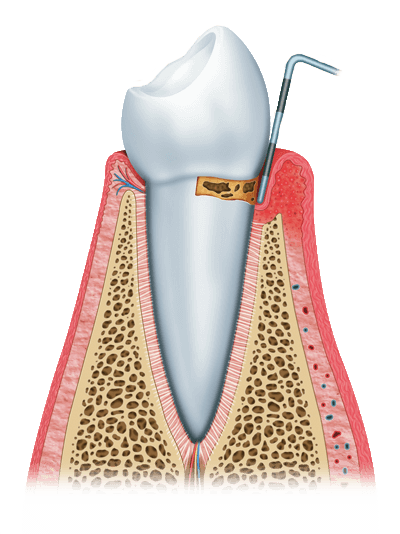
The earliest stage of gum disease, gingivitis is caused by plaque and calculus buildup along the gumline. This stage is usually accompanied by swollen gums that may bleed while brushing and flossing. At this point, the disease has not reached the bone underneath the gums, and as a result, is reversible.
Gingivitis
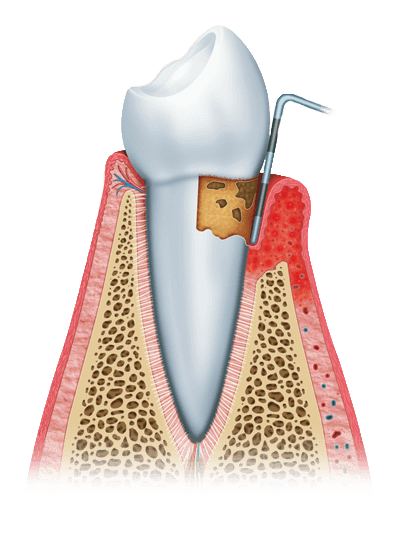
At this second stage your gums may be receding, and deep periodontal “pockets” have formed between your teeth and gums. These pockets are hollow areas that harbor tartar, plaque, and disease-causing bacteria. Open and susceptible to infection, bacteria has reached and permanently damaged your bone. If you believe you’re at this stage, seek gum disease treatment immediately to prevent further damage including tooth loss.
Advanced Periodontitis
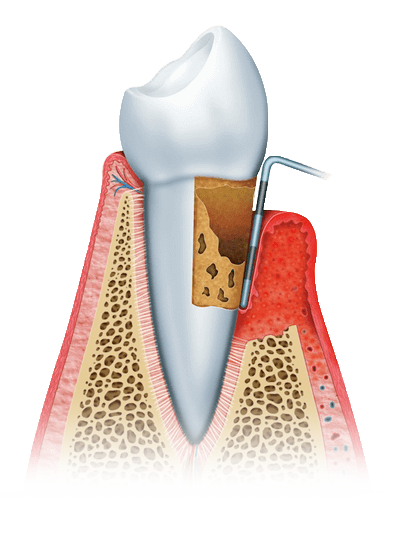
During the final stage of gum disease, the infection has progressed and damaged the connective tissues and jawbone that support your teeth. As a result, your teeth can loosen, shift, and even fall out. This may result in changes to your bite and malocclusion as well as significant limitations to your oral function. We highly recommend immediate treatment and may advise receiving osseous surgery to manage the disease.
Risk Factors for Gum Disease
- Poor dental hygiene
- Tobacco use
- Existing systemic health problems
- Genetic predisposition
Gum Disease and Whole-Body Health
The destructive effects of gum disease don’t stop with the mouth. Studies have shown that gum disease and across the country has been positively linked to systemic health issues including heart disease, stroke, cancer, respiratory disease, and diabetes and pregnancy complications. This is because the same bacteria that trigger gum disease can travel through your body and reach your major organs.
You could be living each day with a systemic, low-grade infection. With all the dangers gum disease presents, it’s easy to see why you should do your best to prevent it and get help at the first sign of symptoms!
Don’t let gum disease destroy your smile or your health!
Reserve a gum disease evaluation.
Frequently Asked Questions about Gum Disease
What causes gum disease?
Harmful bacteria accumulate in plaque and calculus along the gumline, causing gum disease. Poor oral hygiene can allow these bacteria to remain in the mouth and trigger inflammation and infection. Tobacco use, existing systemic health problems, and genetic predisposition can also increase the risk of developing gum disease.
Can gum disease be reversed?
Gingivitis, the earliest stage of gum disease, can generally be reversed with appropriate oral hygiene and professional dental care. Once gum disease progresses and begins damaging the bone and tissues supporting the teeth, the damage may become permanent. Early evaluation and treatment can help prevent progression.
What happens if you leave gum disease untreated?
Untreated gum disease can progress from gum inflammation to infection and permanent damage to the tissues and bone that support the teeth. Advanced gum disease can cause receding gums, deep periodontal pockets, loose or shifting teeth, changes to your bite, and eventually tooth loss.
How is gum disease diagnosed?
A dentist can evaluate your gums for common signs of gum disease, including swelling, bleeding, recession, deep pockets between the teeth and gums, and loose or shifting teeth. Your dentist can use these findings to determine whether gum disease is present and how advanced it may be.
Is gum disease treatment painful?
The level of discomfort associated with gum disease treatment can vary depending on the severity of the condition and the type of treatment needed. Your dental provider can explain what to expect during your evaluation and recommend appropriate treatment based on the condition of your gums and supporting tissues.
How long does gum disease treatment take?
Treatment time depends on the stage and severity of gum disease and the type of care required. Early gum disease may be managed with improved oral hygiene and professional dental care, while more advanced disease may require additional treatment. Your dentist can recommend a treatment plan based on your individual needs.
Can gum disease cause tooth loss?
Yes, as gum disease progresses, infection can damage the connective tissues and jawbone that support the teeth. Advanced periodontitis can loosen or shift teeth and may eventually result in tooth loss.
Can gum disease affect your overall health?
Gum disease has been associated with several systemic health conditions, including cardiovascular disease, stroke, respiratory disease, diabetes, and pregnancy complications. Because gum disease involves an ongoing bacterial infection and inflammation, maintaining healthy gums is an important part of maintaining overall health.
How can I prevent gum disease from coming back?
Consistent oral hygiene helps prevent gum disease from developing or returning. Brush and floss regularly, attend recommended dental checkups and professional cleanings, and follow your dentist’s recommendations for maintaining healthy gums. Avoiding tobacco use can also help reduce your risk.
How often should I have my gums checked for signs of gum disease?
Your dentist should evaluate your gums during regular checkups so they can identify signs of gum disease as early as possible. The appropriate visit frequency can vary based on your oral health, risk factors, and history of gum disease. Your dentist can recommend an appropriate schedule for ongoing monitoring and care.