If you are considering dental bridges to address missing teeth in Bradenton, FL, understanding the risks and safety considerations is an important part of making a confident, informed decision. Dental bridges offer functional and aesthetic benefits that can meaningfully improve your quality of life, but like any restorative dentistry procedure, they come with factors worth …
If you are considering dental bridges to address missing teeth in Bradenton, FL, understanding the risks and safety considerations is an important part of making a confident, informed decision. Dental bridges offer functional and aesthetic benefits that can meaningfully improve your quality of life, but like any restorative dentistry procedure, they come with factors worth discussing with your provider before moving forward. This guide covers the most common dental bridge risks, how different bridge types compare, what you can do to support long-term success, and when to contact your dentist promptly if complications arise.
If you’d like to discuss your options with a specialist, contact BayView Dental Associates at (941) 239-6757.
Understanding Dental Bridges and How They Work
Dental bridges are a time-tested approach to replacing missing teeth. A traditional dental bridge uses dental crowns placed on the abutment teeth on either side of the gap, with artificial teeth suspended between them. The supporting teeth (also called anchor teeth) carry the load of the restoration.
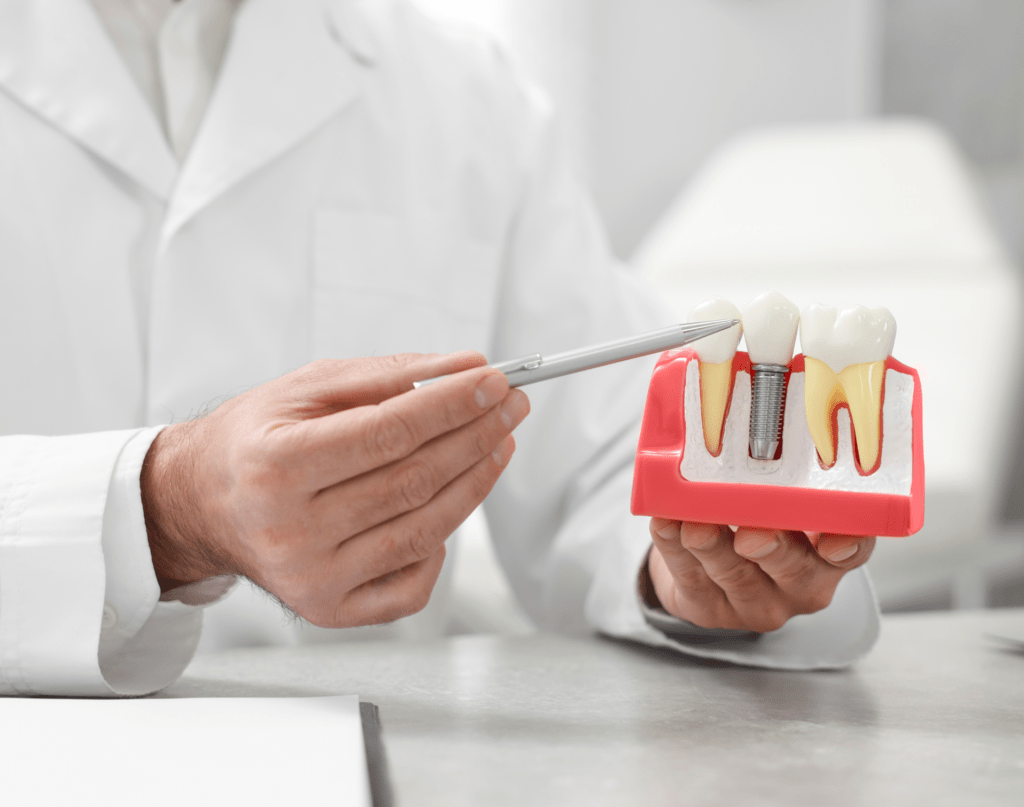
There are several types of dental bridges used in modern dentistry. A traditional bridge is the most common and involves crowns on both surrounding teeth. A cantilever bridge anchors to only one adjacent tooth, making it suitable for areas with one natural tooth neighbor. A Maryland bridge uses a metal or porcelain framework bonded to the backs of the teeth adjacent to the gap, preserving more natural tooth structure. Implant-supported bridges replace the need for anchor teeth entirely by using dental implants as the foundation, an option many patients find preferable for long-term oral health.
Each type presents a different risk profile, which is why a thorough examination by an experienced dentist is essential before getting a dental bridge.
Dental Bridge Risks: What Patients Should Understand
Dental bridges are generally well-tolerated, but it’s important to understand the risks involved so you can take steps to minimize them.
Tooth Sensitivity
After the dental bridge procedure, some patients experience heightened tooth sensitivity around the abutment teeth and surrounding teeth. This sensitivity typically diminishes within a few weeks as your mouth adjusts. If you experience heightened tooth sensitivity to hot or cold foods beyond the expected adjustment period, contact your dental office so your provider can evaluate whether additional care is needed.
Tooth Decay Under the Bridge
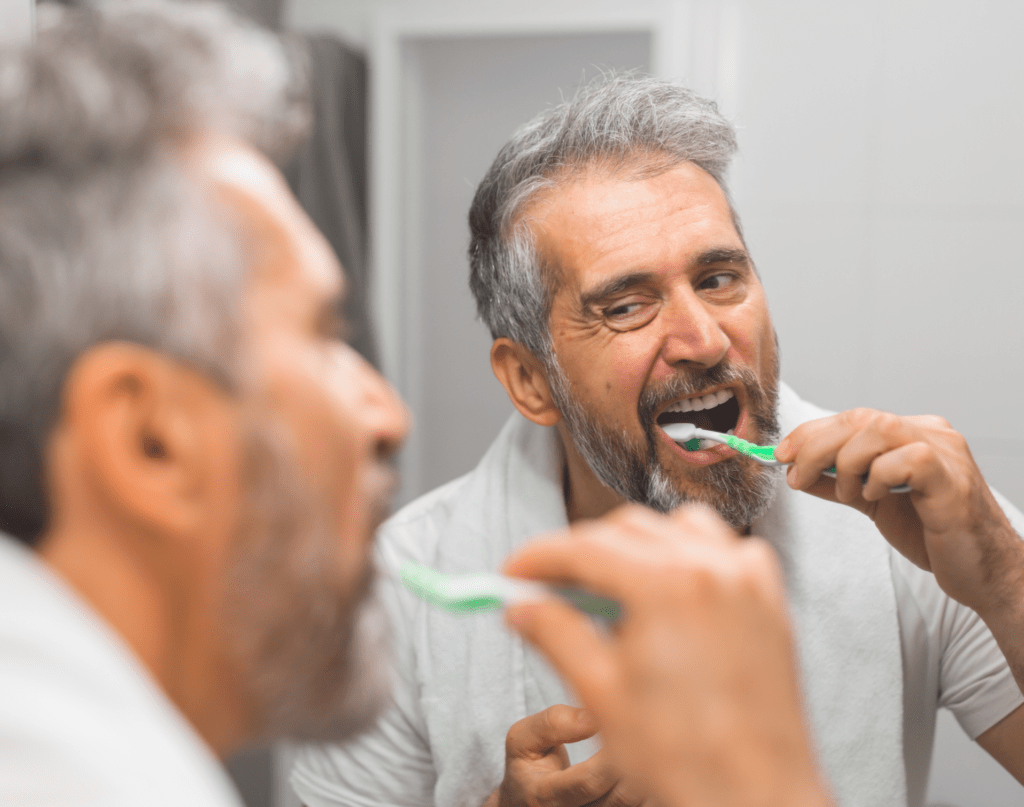
One of the more significant dental bridge risks is tooth decay developing beneath the crowns on the anchor teeth. Inadequate dental hygiene allows plaque to accumulate at the gum line and underneath the bridge margins, creating conditions that can lead to decay in the natural teeth supporting the restoration. This is why proper oral hygiene practices, including regular brushing, flossing with bridge-specific floss threaders, and professional cleanings, are so important after getting a dental bridge.
Gum Disease and Gum Irritation
Poor oral hygiene around a bridge can contribute to gum disease and gum irritation. When plaque builds up along the gum line beneath artificial teeth, the tissue can become inflamed. Left unaddressed, this can progress to more serious oral health issues and may threaten the stability of the supporting teeth. Regular dental check-ups allow your provider to identify emerging problems early and intervene before further complications develop.
Bridge Failure and Ill-Fitting Bridges
Bridge failure can occur for several reasons, including an ill-fitting bridge, bite problems, excessive pressure from hard or sticky foods, or deterioration of the anchor teeth over time. Jaw joint problems may develop if a bridge alters your proper bite alignment. When complications arise, addressing them early is critical. Persistent pain or mobility issues in the restoration warrant a call to your dentist promptly.
Allergic Reactions
Though uncommon, some patients may experience allergic reactions to materials used in dental bridges. Metal-based restorations carry a slightly higher risk for those with known metal sensitivities. Your provider will review your health history before recommending materials.
The Maryland Bridge and Cantilever Bridge: Additional Considerations
A Maryland bridge preserves more natural tooth structure than a traditional bridge, but the bonded framework can place stress on the teeth adjacent to the gap if not designed carefully. The cantilever bridge carries a particular risk because a single anchor tooth bears all the load. Excessive pressure from chewing can stress the supporting tooth and surrounding teeth over time. Both options may be appropriate in specific clinical situations, and your provider will assess candidacy carefully before recommending either approach.
How to Avoid Dental Bridge Risks Through Daily Care
The most effective way to avoid dental bridge risks over the long term is by maintaining excellent oral hygiene and keeping regular dental check-ups. Here are practices that help protect your investment:
- Use a floss threader or water flosser daily to clean beneath the bridge and along the gum line
- Practice regular brushing twice daily with a soft-bristle toothbrush
- Avoid hard or sticky foods that may place excessive pressure on the restoration
- Attend professional cleanings as recommended, typically every six months or more frequently if you have a history of gum disease
- Contact your dental office if you notice sensitivity, looseness, or discomfort around the bridge
Patients who maintain good oral hygiene and attend regular dental check-ups consistently see better long-term outcomes with their restorations. Avoiding dental bridge risks is, in large part, a matter of consistent daily care combined with professional monitoring.
Aging Bridges and When to Consider Alternatives
Dental bridges are durable, but they are not permanent in the way dental implants may be. Aging bridges may require replacement, particularly if the anchor teeth develop tooth decay or gum disease weakens the supporting structures. When considering tooth replacement options, implant-supported bridges are worth discussing. They preserve bone, do not rely on natural teeth as anchor teeth, and may reduce the potential complications associated with traditional bridges over time. Learn more about dental implants as a long-term tooth replacement option at Bayview.
Why Choose BayView Dental Associates in Bradenton
When it comes to restorative dentistry, the experience and credentials of your provider matter significantly. BayView Dental Associates was founded in Bradenton, FL by Dr. Kenneth Liszewski, DMD, who launched his practice near the Sarasota Airport in 1987 and grew it into a locally rooted, community-built group, not a corporate franchise. Dr. Liszewski holds Diplomate status from the International Dental Implant Association and brings over 35 years of experience with a focus on cosmetic and implant dentistry.
Across our locations serving Bradenton, Sarasota, and the surrounding Gulf Coast region, our skilled dentists provide thorough examinations before recommending any new dental bridge, ensuring each patient understands their options and feels confident in their care plan. For patients with dental anxiety, our anxiety-first approach means every step of the dental bridge procedure is explained clearly so you know exactly what to expect. We also offer our SmilePlan in-house membership and CareCredit financing to help keep treatment accessible. Visit our Bradenton Blake location or Bradenton Cortez location to connect with a provider near you.
Have questions beyond what this guide covers? Our team can provide personalized guidance based on your individual situation. Contact us online or call (941) 239-6757 to schedule a consultation.
Frequently Asked Questions About Dental Bridge Risks and Safety
Am I a good candidate for a traditional bridge if I have gum disease?
Active gum disease typically needs to be treated before undergoing treatment with a dental bridge. Placing a bridge over compromised supporting teeth can accelerate oral health issues and increase the risk of bridge failure. Your provider will assess the health of your abutment teeth and surrounding tissue before recommending a restoration.
How long do dental bridges typically last before needing replacement?
With proper oral hygiene and regular dental check-ups, many dental bridges remain functional for ten to fifteen years or longer. Individual results vary depending on the bridge type, the health of the anchor teeth, and how well daily oral hygiene is maintained. Your provider can give you a more personalized estimate during your consultation.
Can a dental bridge affect teeth that were not involved in the procedure?
In some cases, an ill fitting bridge or bite problems can place uneven pressure on teeth adjacent to the restoration and further along the jaw. This is why achieving a proper bite alignment during the dental bridge procedure is essential, and why follow-up dental check-ups are important for identifying potential issues early.
Are implant-supported bridges safer than traditional bridges?
Implant-supported bridges do not require preparation of natural teeth as anchor teeth, which preserves more of your existing tooth structure. They also support jawbone health in a way that traditional bridges cannot. Whether they are appropriate for you depends on bone density, overall oral health, and other individual factors your provider will evaluate during a thorough examination.
What should I do if my bridge feels loose or causes persistent pain?
Contact your dental office today if your bridge feels loose, shifts during chewing, or causes persistent pain. These may signal that the anchor teeth have been affected by tooth decay, that the bridge margins have failed, or that an adjustment is needed. Addressing complications that arise early helps prevent further complications and may preserve the restoration.
Does getting a dental bridge require multiple appointments?
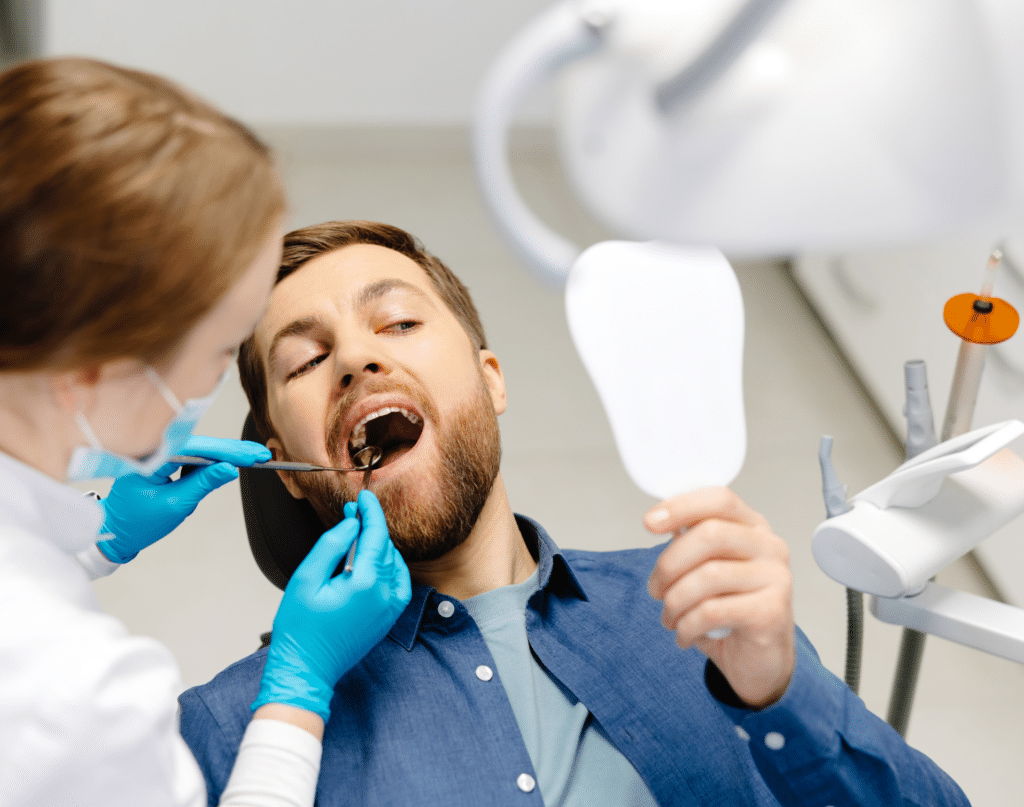
Yes. A typical dental bridge procedure involves at least two visits. At the first appointment, the abutment teeth are prepared, and a temporary bridge is placed while your permanent restoration is fabricated. At the second appointment, the temporary bridge is removed, and your new dental bridge is fitted and cemented. Your provider will walk you through the full timeline during your initial consultation.
How does a Maryland bridge differ in terms of risk compared to other options?
A Maryland bridge is less invasive because it does not require significant reshaping of the anchor teeth. However, the bonded wings holding it in place can debond over time, particularly with excessive pressure. It is generally considered best suited for replacing front teeth where bite forces are lower. An experienced dentist will help determine whether a Maryland bridge is appropriate for your specific situation.
Schedule a Consultation
Now that you have a thorough understanding of dental bridge risks and safety considerations, the next step is a personalized consultation to explore which tooth replacement approach is right for your oral health and goals. Contact BayView Dental Associates via our online form or call (941) 239-6757 to schedule your visit at one of our Bradenton, FL area locations. Individual results may vary; your provider will discuss your specific situation in detail at your appointment.

Dr. Tosha Williams, DDS
Dr. Williams earned her Doctorate of Dental Surgery from Meharry Medical College in Nashville in 2008 and completed her general practice residency at Coler Goldwater Specialty Hospital in New York City, where her training included rotations at Bellevue Hospital in oral surgery, pediatrics, and cosmetic dentistry, as well as a rotation at New York University covering implantology, cosmetic dentistry, and anesthesia. She further expanded her expertise with an implant course at the Great Lakes Institute and became certified in Botox, dermal fillers, and Invisalign in 2017, followed by 6 Month Smiles certification in 2018. With a career spanning private dentistry, corporate dentistry, and public health, Dr. Williams most recently relocated from Hartford, CT, where she served as Dental Director for a federally funded health center, and she takes great pride in delivering thorough, comprehensive dental care with a gentle touch. In her spare time, she volunteers on dental mission trips and Give Kids A Smile Day, supports Habitat for Humanity, and stays current in her field through continuing education courses at institutions such as Nova Southeastern University and the University of Florida.